Engineering: the Hard Work of Systems Change

Published
September 23, 2026

engineering-systems-change
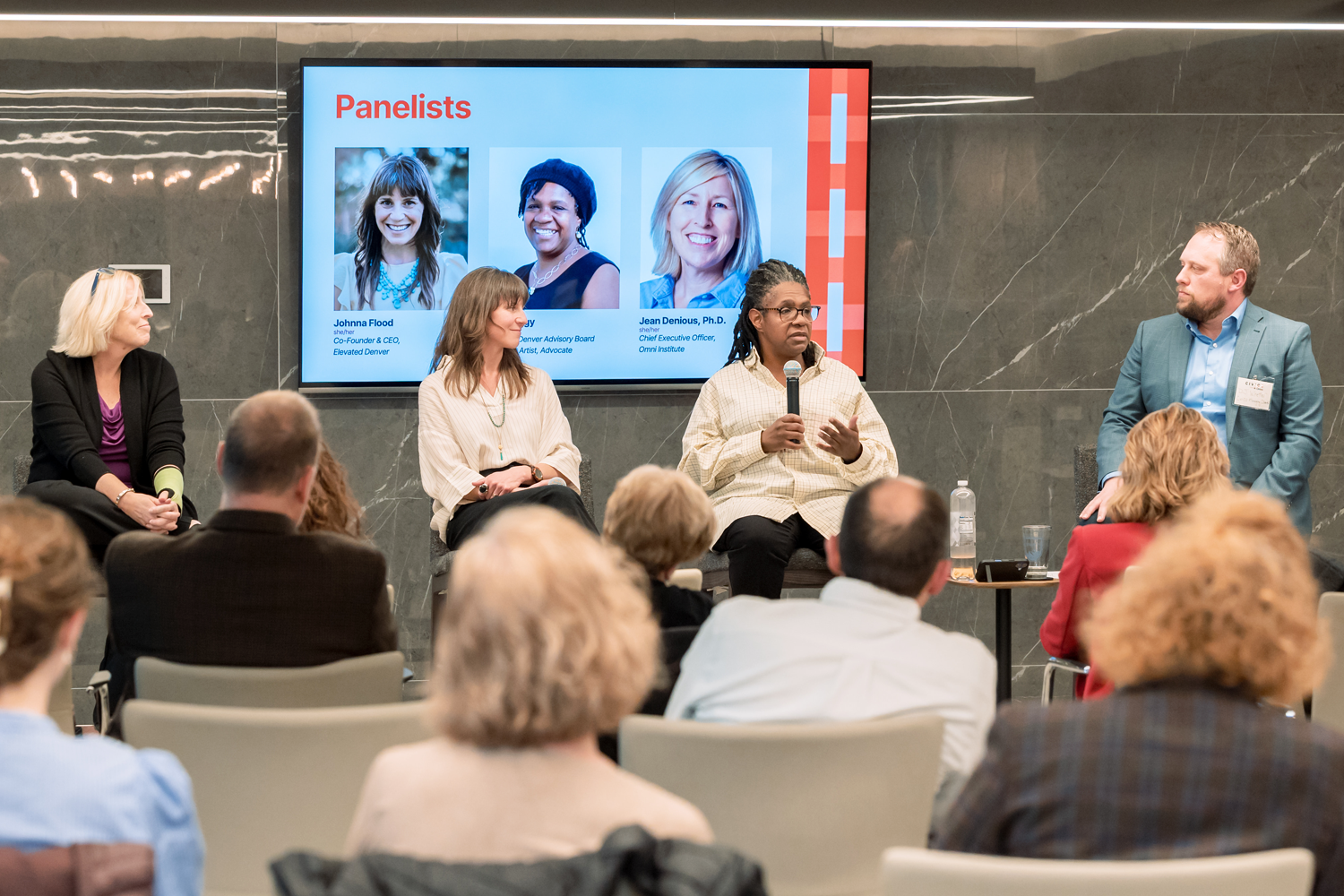
Last week we welcomed Wes Marshall, PhD, to lead a Purpose Hour focused on our local streets, design decisions, and how well-meaning city processes can still result in thousands of deaths per year. Wes is a professor of civil engineering at CU Denver and author of Killed by a Traffic Engineer. He guided an exploration of the history of traffic and street design, how design decisions are often driven by throughput instead of safety, and how transportation departments rely on education and enforcement to reduce deaths and serious injuries.
What jumped out for me, from reading Wes's book and listening to the conversation in the room, is how consistently (across so many systems in our society) we focus on only two of the Three E's: education and enforcement. Engineering gets left behind.
The Three E’s (Engineering, Education, and Enforcement) framework is widely used in safety management across workplaces, transportation, and public spaces. In the Three E’s, only engineering truly prevents a bad outcome from happening, by designing a system and structure to avoid it. Education can take a bad system and try to get humans to consistently apply the right rules and act a certain way to navigate it. Enforcement mostly comes after a bad outcome has occurred, after education has failed. It is punitive, trying to get people to modify behavior based on that bad outcome, and it is often regressive, biased, and can deepen systemic inequities.
Engineering a system with intention can dramatically reduce the need for education, and nearly negate the need for enforcement. But engineering is difficult. It requires the most upfront investment, significant time and planning, and is—if done correctly—a difficult, long-term process of iterative diagnosis and improvement.
Interestingly, engineering a system focuses most of the attention on the community around it: how it interacts with planning and creation, and how the pieces intersect to support the whole. Education and enforcement, by contrast, put the onus on individuals to follow prescribed behavior… and when they don't, the individual is held accountable, not the system.
On roads, this plays out in many ways.
But we see this in so many systems beyond our roads. A few that I keep coming back to:
I left the event thinking about how engineering is the hard work of public policy. And that designing systems that address challenges rather than constantly placing responsibility on fallible humans is the way to truly fix them. It's the work required to create real change in communities. Public awareness campaigns can't fix a broken system. Fines and enforcement won't change all the behaviors. We need to rethink things from the ground up, and we need leaders in our communities to keep showing up and advocating for thoughtful system design if we want to make progress on the issues that matter most to us and our communities.
Get updates on our research findings, projects, and the latest in evidence-based news to improve lives, build better systems, and drive social change.