Second Chance Hiring Starts with Leadership

Published
August 13, 2026

second-chance-hiring-leadership
In this country, we love a comeback. We are a nation that loves a redemption arc in sports, in business, in politics. Resilience is practically a core American value. But approximately 6,000 Coloradans walk out of state prison every year after completing parole or serving their full sentence.¹ They are ready to work; they need to work... And we largely fail them. Another 3,000 return to society from county or local incarceration.
Nationally, more than 27% of formerly incarcerated people are unemployed. This rate is higher than in any recorded period in U.S. history, including the Great Depression.² Only 35–40% of formerly incarcerated individuals ever become reliably employed.³ In Colorado, our three-year recidivism rate sits at 28%.⁴ One interpretation is that's not a statistic about bad people making bad choices. It's a statistic about a system that fails to give people a real foothold.
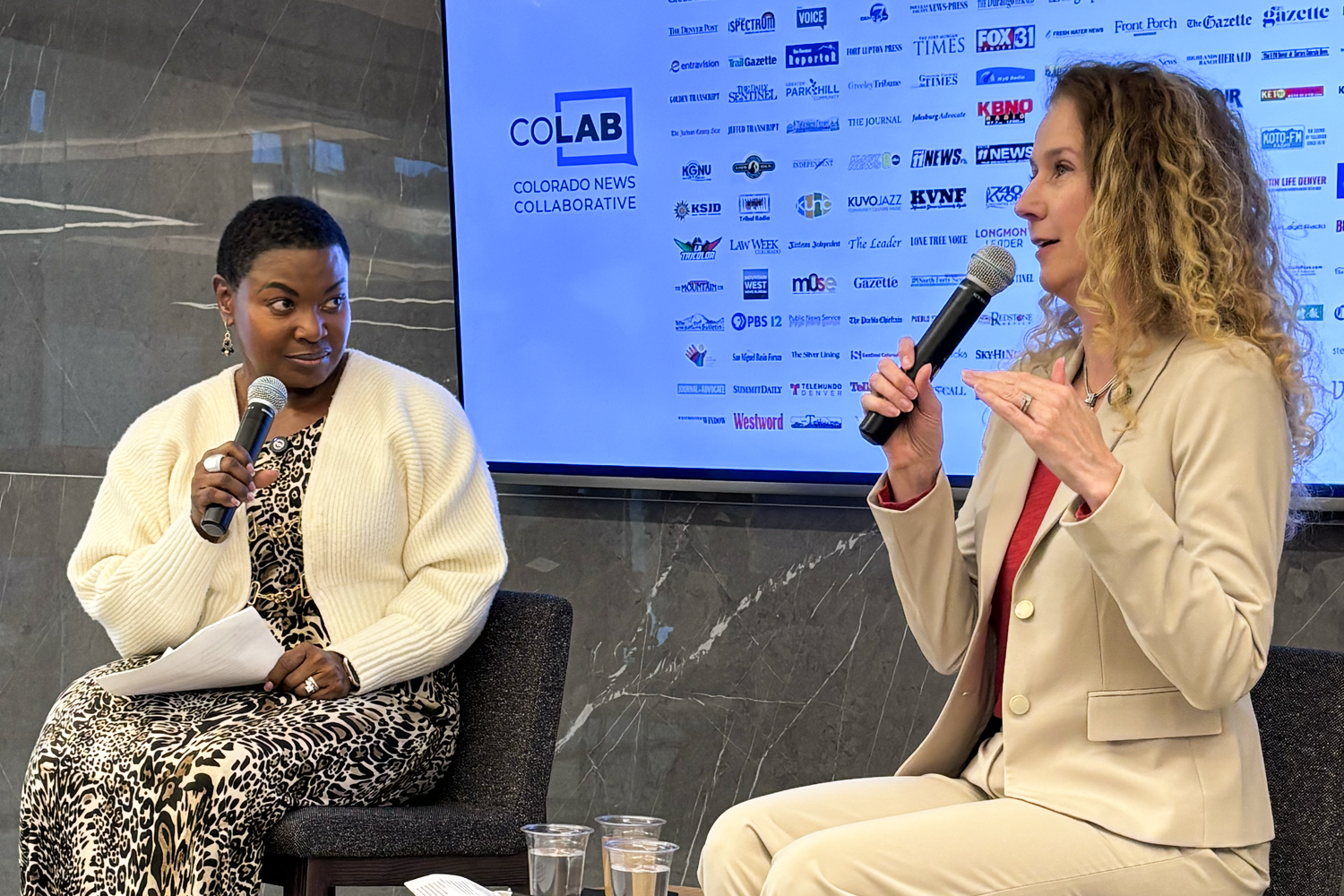
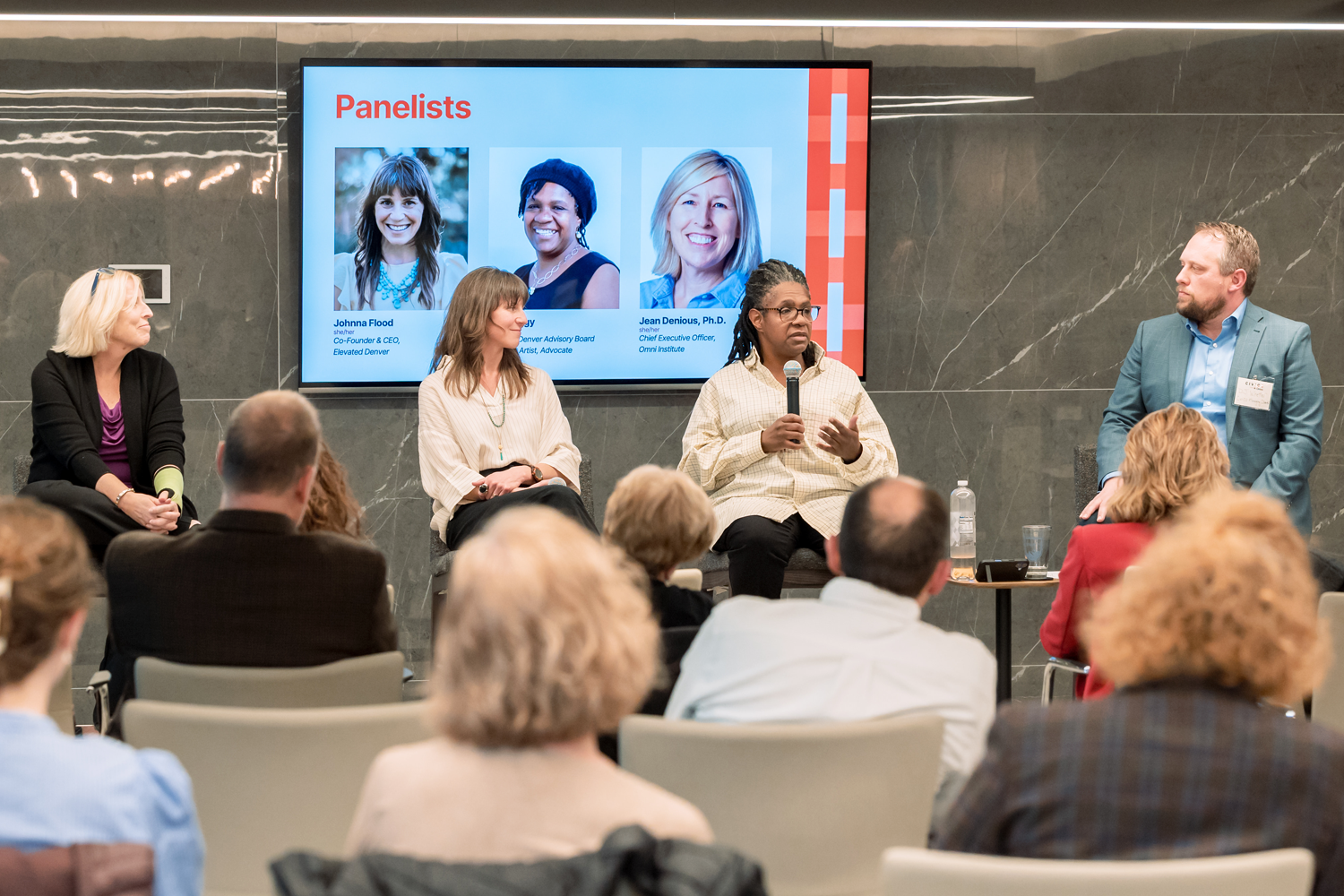
I'm so thankful for the conversation that came out of our recent Purpose Hour on incarceration and second chances in Colorado. It featured Stacey Putka and Duane Gurulé, two people who bring very different, and very powerful, perspectives to this work.
Together, they brought the three things a conversation like this needs and rarely gets in the same room: the data, the lived experience, and a call to action.
Here’s what they pushed our room to think about.
Most organizations (businesses, nonprofits, government agencies) don't decide in advance what they'll do if a background check comes back with something on it. So if it does, they're scrambling: making the call in the moment, without clear criteria, often driven more by discomfort than by actual risk. That's not a hiring process. That's a reflex.
Duane and Stacey put it plainly: if you're in a hiring role, you need to do your thinking before the background check comes back, not after. The question to answer in advance is a simple one. “Which convictions are actually disqualifying for this specific role, and which ones have nothing to do with the job?”
A prior conviction for drug possession doesn't disqualify someone from doing excellent accounting work. A financial fraud conviction might reasonably give you pause for a role managing funds. Context matters, the work matters, but too many organizations skip that thinking and default to blanket exclusion, not out of malice, but out of uncertainty and a lack of intentional policy. That's a leadership failure. And it's one we can fix.
Leadership is not about having the right values in the abstract, but rather about building systems that reflect those values in practice. Here's what that looks like for second chance hiring:
We say we believe in second chances. In Colorado, nearly 9,000 people a year are profoundly impacted by whether this is more than lip service. Leadership is the moment when we back what we say we value with meaningful action.
Sources
Get updates on our research findings, projects, and the latest in evidence-based news to improve lives, build better systems, and drive social change.